Hair Color
Balayage vs. Ombré: What's The Difference and Which is Best For You?
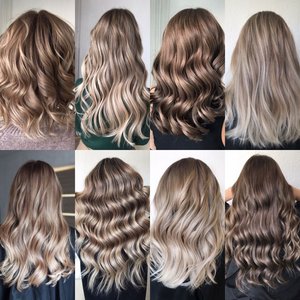
Every time you think you're well-versed in hair color, something new comes along. First, there was the trend of ombré hair color and now you have balayage. Surprisingly, many people often get confused between these two techniques. Result? You end up with a hair transformation that was not your vision. But there’s nothing to worry. We’re here to explain everything about ‘hair color’ techniques and answer all your questions, including the difference between balayage and ombré. So, let’s get started!
In a Nutshell
Understanding the difference between balayage and ombré can help you choose the right technique based on your style preference, maintenance level, and desired hair color transformation.
Table of Content
Simply put, an ombré is a two-toned color effect that can be achieved with natural-looking hair color products or fashion hair color shades. On the other hand, balayage hair color gives any hairstyle a natural, sun-kissed glow. Read on as we explain the difference between balayage and ombré in detail.
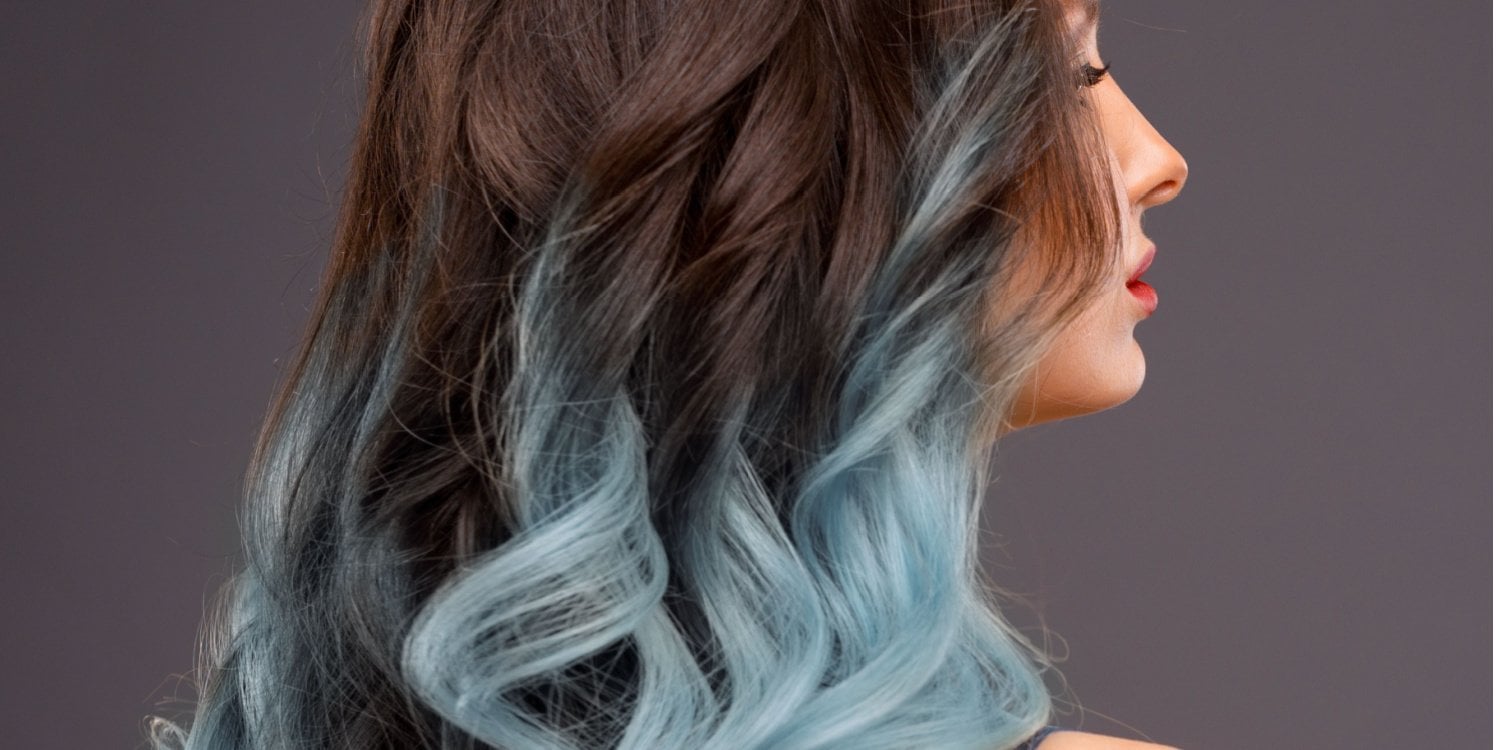
In French, ombré refers to shade or shadow. In the hair color world, ombré is a dramatic, two-toned hair color effect that is typically darker at the top and lighter on the bottom. Often the dark, top section is your natural hair color shade, and the bottom section is lightened with a hair lightener and then toned to the desired hair color result.
When it comes to ombré hair color vs balayage, the former is a more drastic, stylish gradient. It is versatile, customizable, and suitable for most long and medium hair lengths. You can also choose an ombré hair color for any base shade, be it natural brunette, jet black, or something more artistic, fashion hair colors like pink, blue, red, or purple.
There are also multiple ways to get that radiant gradient:
If you want stark, stunning styles without touching your roots, then ombré hair color is for you.
One of the primary benefits of ombré hair colors is that it’s easy on the budget. You don’t need frequent root touch-ups as the top section remains dark. At the same time, the overall effect of ombré can change as your hair grows out, so you get multiple hair color variants for the price of one.
Once you’re all clear on what is ombré hair color, it’s time to look into its variations.
Pro tip: Like ombré, color melting can be done with natural-looking hair color shades or with any of the fun colors of the rainbow!
When it comes to an ombré hair color, maintenance is the key. Just be sure your hair is healthy, otherwise your hair color will look dull and fade quickly. Try using ammonia-free hair colors and spend some time using healthy, healing conditioning treatments or hair masks to improve the condition of your hair before heading to the salon for your ombré hair color. For medium-to-fine hair, try a hair mask for frizzy hair. Packed with vitamins A and E, essential fatty acids, and shea butter, these creamy masks help you control frizz and add long-lasting shine. Whether you have re-bonded, straightened, or naturally wavy hair, you’ll find the hydration and smoothness you need to maintain a sleek, salon-fresh look.
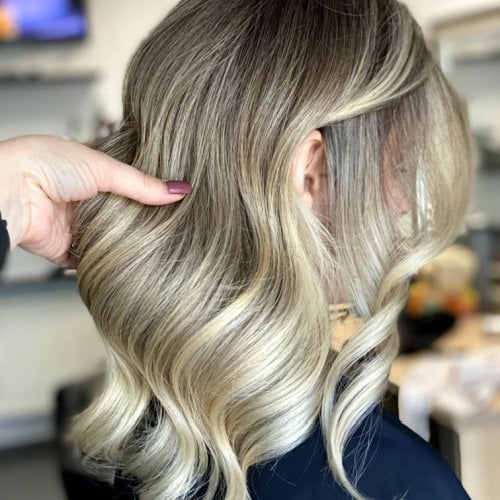
Let’s talk about balayage hair color. In French, balayage translates to “sweeping.” In the hair color world, balayage highlights are hand-painted or swept along the surface of the hair. When it comes to the difference between balayage and ombré, a balayage is less structured and more spontaneous. The application begins away from the roots and gradually blends in as it travels along the section. It seamlessly blends into your natural hair color, as compared to the horizontal ombré. Because the balayage hair color (or your hair color lightener) is concentrated on the surface of each section, the underside remains darker, which gives the hair a very natural, dimensional effect.
Now that you know what is balayage, it’s time to understand whether this hair coloring technique is the right one for you. A subtle balayage hair color mimics a natural, sun-kissed effect. It can be done on any hair color, from black hair to red hair to brown hair. It’s beautiful on long hair and medium-length hair. If you like natural-looking dimensions, balayage is a beautiful choice! The versatility of this hair color will bring nearly every hairstyle to life. When it comes to ombré hair color vs balayage, a balayage is a subtler, ‘au naturale’ choice.
Balayage highlights are cost-effective because they don’t require frequent touch-ups since the hair at the top is kept darker. It also gives you more customised results when compared to ombrés. Because balayage is a hand-painting technique, your colorist’s artistry comes into play and allows for variations and color compositions. Your hair colorists might even combine several permanent hair color shades for a shimmering, dimensional result. Like ombré, a balayage is also versatile. A heavier balayage can produce a more solid hair color effect, while fewer balayage highlights keep the hair darker with more contrast.
Artistic hair stylists might complement balayage with fine highlights, foilayage or babylights.
While there are a number of differences between balayage and ombré, both colors need maintenance and the use of proper hair care products. If you’re trying balayage on medium to long hair, it’s crucial to keep them split end free. Try a nourishing mask, with an intense conditioning formula that uses ceramides to fortify hair lengths and prevent damage. It keeps your naturally long balayage strong, healthy, and full of life.
Now that you know the difference between balayage and ombré, and the different benefits offered by both techniques, it’s time to make your pick. With your trusted stylist and professionally formulated Matrix hair color products, any look is within reach. Try out our Virtual Try-On tool to experience the hair colors online before actually getting them done. Don’t forget to check out the wide range of hair styling products by the house of Matrix and find the best fit for your freshly done color.