Hair Care
Haircare Habits To Prevent Frizz Before It Actually Starts
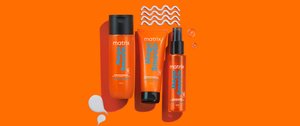
Frizz doesn’t just appear out of nowhere; it is often the result of everyday habits that disrupt moisture balance and damage the hair surface. If you’ve ever wondered, ‘What is frizzy hair?’, it refers to hair that looks rough, dry, and uneven due to raised cuticles and a lack of hydration. Understanding the definition of frizzy hair is the first step towards preventing it before it begins.
The good news is that with the right habits and a consistent hair care routine for frizzy hair, you can not only maintain smoother, more manageable hair every day but also actively prevent frizz before it starts, keeping your hair controlled and polished.
In a Nutshell
Frizz often starts with everyday habits you might not even notice. This guide helps you build simple routines that keep your hair smooth, hydrated, and manageable. With consistent care, you can prevent rough texture before it becomes a problem.
Table of Content
Small daily changes can make a big impact in controlling frizz.
These daily habits form the base of any effective plan on how to prevent frizzy hair.
What you do right after washing your hair plays a crucial role in managing frizz.
These steps are simple but effective in reducing the definition of frizzy hair right after a wash.
Consistency is key when learning how to reduce frizzy hair naturally.
These habits strengthen your overall frizzy hair care routine and improve long-term results.
Your styling routine can either help control or worsen frizz.
These habits ensure your styling routine supports your efforts on how to prevent frizzy hair.
Your night routine is just as important as your daytime care.
These simple steps can significantly improve how your hair looks and feels the next day.
Preventing frizz is all about consistency and mindful care. By understanding the definition of frizzy hair and building a routine around hydration and protection, you can take control before frizz even begins.
A well-balanced hair care routine for frizzy hair, combined with the right daily and weekly habits, makes it easier to manage texture and maintain smoothness. When you focus on long-term care rather than quick fixes, your efforts on how to prevent frizzy hair will deliver visible, lasting results.
The definition of frizzy hair refers to hair that appears dry, rough, and lacks smoothness due to lifted cuticles and moisture imbalance.
If you’re wondering what is frizzy hair, it is often caused by dryness, humidity, heat damage, and lack of proper care.
To understand how to prevent frizzy hair, focus on hydration, gentle handling, and consistent conditioning.
You can follow natural methods like oiling, deep conditioning, and avoiding heat to learn how to reduce frizzy hair naturally.